Expanding the Possibilities of School Fundraising
Fundraising is one of the most important responsibilities for many PTA and PTO organizations. Schools rely on fundraising efforts to provide additional resources, support educational programs, improve student experiences, and create opportunities that may not be possible through regular budgets alone.
However, modern school fundraising is changing. Families are becoming less interested in repetitive sales campaigns and more interested in meaningful ways to support their schools. They want to understand the purpose behind fundraising efforts and feel connected to the impact they create.
This is where creative approaches such as sponsorship programs and A-thon fundraisers become especially valuable. These strategies move beyond traditional fundraising models by focusing on relationships, participation, and community involvement.
Sponsorships allow schools to build partnerships with local businesses and community members, creating long-term support networks. A-thons transform fundraising into active experiences where students participate in challenges while collecting donations.
Both approaches share an important principle: successful fundraising is not only about collecting money. It is about creating engagement, strengthening connections, and giving families a reason to participate.
Understanding the Power of Intentional Fundraising
Before choosing a fundraising method, PTA and PTO leaders should understand what makes a fundraiser successful. The strongest campaigns are not necessarily the ones that raise the most money in the shortest amount of time. They are the ones that create lasting value for the school community.
Intentional fundraising begins with a clear purpose. Families, businesses, and community partners are more willing to contribute when they understand exactly what their support will accomplish.
A campaign that simply asks people to donate may receive limited attention. A campaign that explains how funds will improve student experiences creates an emotional connection.
For example, raising money for new classroom technology, educational enrichment programs, playground improvements, or student activities gives supporters a clear reason to participate.
Sponsorships and A-thons work particularly well because they connect fundraising with stories, experiences, and relationships.
The Role of Sponsorships in School Fundraising
School sponsorships create opportunities for collaboration between PTAs, PTOs, and local businesses. Instead of relying only on individual family contributions, schools can develop partnerships with organizations that want to support their communities.
Businesses often look for meaningful ways to give back. Supporting schools allows them to contribute to local education while building positive relationships with families.
A successful sponsorship program is built on mutual benefit. The school receives financial or material support, while the sponsor gains recognition and community visibility.
The key is approaching sponsorships as partnerships rather than simple requests for money. Businesses are more likely to become long-term supporters when they understand the mission of the school and see the value of their involvement.
Creating a Strong School Sponsorship Program
A successful sponsorship strategy begins with preparation. PTA and PTO leaders need to understand what they are offering and how they will communicate the opportunity to potential sponsors.
Businesses want to know why supporting the school matters and what type of recognition they will receive. A clear sponsorship plan helps create professional and positive relationships.
The most effective programs focus on shared values. A local company that cares about children, education, community development, or youth activities may naturally align with school goals.
Building relationships is often more important than making immediate financial requests. A conversation about collaboration can create opportunities that continue for many years.
Schools should also maintain professionalism throughout the process. Clear communication, appreciation, and transparency help create trust with sponsors.
Types of School Sponsorship Opportunities
Sponsorships can take many different forms depending on the needs of the school and the interests of local businesses.
Some sponsors may provide direct financial contributions to support specific programs or events. Others may donate products, services, equipment, or experiences that benefit students.
Event sponsorship is another popular approach. Businesses may support school fairs, fun runs, cultural events, or educational activities in exchange for recognition.
Community sponsorships can also involve local organizations supporting long-term school initiatives. These relationships often become stronger over time because they are based on ongoing cooperation.
The most successful sponsorship programs are flexible. They allow different types of businesses to participate at levels that match their resources.
How to Approach Local Businesses for Sponsorship
Many PTA and PTO groups hesitate to seek sponsorship because they are unsure how businesses will respond. However, many companies appreciate opportunities to support local schools.
The first step is identifying businesses that have a natural connection to the school community. These may include local stores, restaurants, service providers, professional organizations, and community-focused companies.
A strong sponsorship request should focus on the partnership rather than simply asking for financial support. Businesses should understand the purpose of the initiative and how their involvement will make a difference.
Personal connections can also be valuable. A conversation with a business owner is often more effective than a generic message.
The goal is to create relationships where businesses feel proud to support the school.
Recognizing and Appreciating Sponsors
A sponsorship relationship should not end after receiving support. Recognition and appreciation are essential parts of maintaining long-term partnerships.
Schools can thank sponsors through event announcements, newsletters, social media communication, signs, or other appropriate forms of recognition.
However, appreciation should always feel genuine. Sponsors should know that their contribution is valued beyond advertising opportunities.
Strong recognition builds loyalty. When businesses see that their support creates real impact, they are more likely to continue participating in future initiatives.
Understanding A-Thon Fundraisers
A-thons have become increasingly popular among PTA and PTO groups because they combine fundraising with student participation.
Instead of asking families to sell products, A-thons encourage students to complete a challenge and collect donations based on their participation.
These fundraisers are effective because they create excitement and involvement. Students become active participants rather than simply being asked to collect money.
A-thons can also support positive habits and school values. Many are connected to reading, physical activity, creativity, learning, or personal challenges.
The concept is simple: students participate in something meaningful while the community supports their efforts.
Popular Types of A-Thon Fundraisers
One of the reasons A-thons are successful is their flexibility. Schools can design challenges that match their goals and student interests.
A read-a-thon encourages students to spend more time reading while collecting donations from family members and supporters.
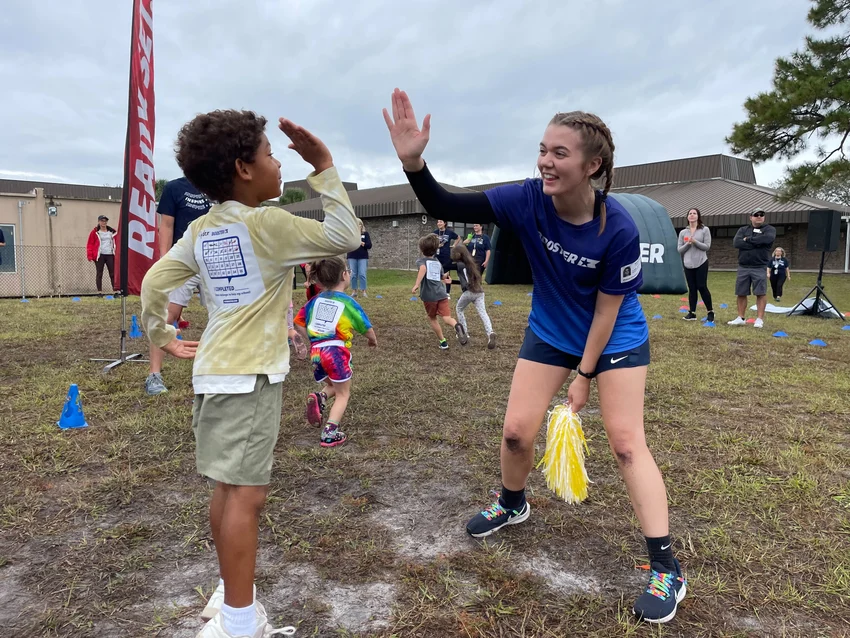
A walk-a-thon or fun run combines physical activity with fundraising and often becomes a major school community event.
A math-a-thon or science challenge connects fundraising with academic learning.
Creative A-thons can also encourage artistic expression, innovation, or personal achievement.
The best choice depends on the school culture and what motivates students.
Why A-Thons Create Strong Student Engagement
Traditional fundraising often places the responsibility on parents. A-thons shift the focus toward student participation.
Children become excited because they are completing a challenge, achieving goals, and contributing directly to their school.
This sense of ownership can create stronger motivation. Students understand that their actions have an impact.
A-thons also create opportunities for recognition. Celebrating participation, progress, and achievements helps create a positive fundraising culture.
When students enjoy the experience, families are more likely to support future events.
Planning a Successful A-Thon Campaign
Although A-thons are relatively simple compared to some fundraising events, they still require thoughtful planning.
The first step is choosing a clear challenge that students can understand and enjoy. The activity should be accessible to different ages and abilities.
Communication is also essential. Families need clear information about how the event works, how donations are collected, and what goals the school hopes to achieve.
A successful A-thon also creates excitement. Schools can use themes, celebrations, progress updates, and recognition opportunities to keep students motivated.
The goal is to make the fundraiser feel like a community experience rather than a financial request.
Combining Sponsorships and A-Thons for Greater Impact
One of the most powerful strategies for PTA and PTO groups is combining sponsorships with A-thon events.
Businesses can sponsor an A-thon by contributing funds, prizes, supplies, or services. This creates additional support while giving businesses a meaningful connection to the school community.
For example, local companies may sponsor a reading challenge, fitness event, or student achievement program.
This combination benefits everyone involved. Students receive a memorable experience, families participate in a community event, and businesses gain positive visibility.
A combined approach can significantly increase fundraising potential while strengthening relationships.
Using Storytelling to Strengthen Fundraising Campaigns
Whether raising money through sponsorships or A-thons, storytelling is one of the most powerful tools available to PTA and PTO leaders.
People connect with stories more than numbers. They want to understand who benefits and why their support matters.
Sharing student experiences, explaining goals, and showing progress can transform a simple fundraiser into a meaningful community movement.
A campaign that says “help us raise money” is very different from one that explains “help us create better learning opportunities for our students.”
The emotional connection often determines the success of a fundraising effort.
Avoiding Common Challenges in Creative Fundraising
Even creative fundraising ideas can face challenges. Poor communication, unclear goals, and lack of organization can reduce participation.
One common mistake is focusing only on fundraising results while ignoring the experience of participants.
PTA and PTO leaders should remember that relationships are just as important as financial outcomes.
Another challenge is volunteer burnout. Sponsorship programs and A-thons should be designed with realistic expectations and shared responsibilities.
Planning ahead, using available technology, and creating clear processes can make these fundraisers easier to manage.
Measuring Success Beyond Revenue
Money raised is an important measurement, but it is not the only indicator of success.
A successful sponsorship or A-thon campaign may also increase family engagement, strengthen community relationships, and improve school spirit.
PTA and PTO leaders should evaluate participation levels, feedback, volunteer experience, and long-term impact.
These insights help organizations improve future fundraising efforts and create strategies that better serve their communities.
Conclusion: Building Stronger Communities Through Creative Fundraising
Sponsorships and A-thons represent a new approach to school fundraising — one based on connection, participation, and shared purpose.
Sponsorships allow schools to build meaningful partnerships with businesses and community organizations. A-thons encourage students to take an active role in supporting their school.
Both strategies demonstrate that fundraising can be more than collecting money. It can be an opportunity to bring people together, celebrate student achievements, and create a stronger school community.
The most successful PTA and PTO organizations understand that fundraising is ultimately about relationships. When families, businesses, educators, and students work together, the result is not only financial support but a more connected and engaged community.