How Schools Can Build Better Relationships With Parents and Families
- admin
- 0 Comments
Why Relationships Matter More Than Policies
Schools often invest significant effort into curriculum development, teaching strategies, and academic standards. Yet one of the most powerful influences on student success is sometimes underestimated — the quality of relationships between schools and families. A school can have excellent programs, but without trust and cooperation with parents, its impact is limited.
Building strong relationships with parents and families is not a secondary task or an optional initiative. It is a central part of creating an effective educational environment. When families feel connected to schools, students are more likely to feel supported, motivated, and confident. When communication breaks down or trust is missing, even the best educational strategies can struggle to succeed.
Strong relationships are not built through occasional meetings or formal communication alone. They develop through consistent, respectful, and meaningful interactions over time. Schools that understand this shift their focus from simply informing parents to genuinely engaging with them as partners.
Understanding the Reality: Why Many School-Family Relationships Struggle
Before improving relationships, it is important to understand why they sometimes fail. In many cases, the problem is not a lack of effort but a mismatch of expectations.
Schools may believe they are communicating clearly, while parents feel uninformed or excluded. Teachers may expect parents to take more responsibility at home, while parents may assume that education is primarily the school’s role. These misunderstandings create distance.
Another issue is that communication often becomes reactive instead of proactive. Parents may hear from schools only when there is a problem — poor grades, behavioral issues, or concerns about performance. Over time, this creates anxiety and discourages engagement.
There are also structural challenges. Busy work schedules, language barriers, cultural differences, and past negative experiences with education can prevent families from building strong connections with schools.
The truth is simple but important: relationships do not fail because people do not care. They fail because systems are not designed to support consistent, meaningful interaction.
Building Trust as the Foundation of Every Relationship
Trust is the core of any strong relationship between schools and families. Without trust, communication feels formal, cooperation feels forced, and engagement becomes limited.
Trust is not created through announcements or policies. It is built through actions — how schools treat families, how teachers communicate, and how consistently parents feel respected and heard.
One of the most effective ways to build trust is through transparency. Parents should understand how decisions are made, what expectations exist, and how their children are being supported. When schools are open about both successes and challenges, they demonstrate honesty.
Respect is equally important. Families must feel that their knowledge of their children is valued. When schools treat parents as partners rather than outsiders, relationships become stronger.
Consistency also matters. Trust grows when parents know what to expect from the school. Regular communication, reliable responses, and predictable systems help families feel secure and confident in the relationship.
Creating Meaningful Communication Instead of One-Way Information
Communication is often misunderstood as simply sharing information. Schools send newsletters, emails, and announcements, but real relationships require more than one-way communication.
Meaningful communication is a two-way process. It allows parents to respond, ask questions, express concerns, and share insights about their children.
Schools can strengthen relationships by changing the tone of communication. Instead of focusing only on instructions or rules, communication should feel supportive and human. Parents should feel that they are talking with people, not systems.
Timing also plays an important role. Communication should not happen only during problems or formal events. Regular, positive contact builds familiarity and comfort.
For example, when teachers share small successes — a student’s improvement, effort, or participation — parents begin to associate school communication with positive experiences rather than stress.
The quality of communication matters more than the quantity. A few thoughtful, meaningful interactions can build stronger relationships than frequent but impersonal messages.
Recognizing Parents as Equal Partners in Education
One of the biggest shifts schools can make is changing how they view parents. Instead of seeing them as helpers or observers, schools should recognize them as equal partners.
Parents understand their children in ways that teachers cannot. They know their personalities, fears, motivations, and experiences outside the classroom. This knowledge is valuable and should be included in educational decisions.
Partnership means shared responsibility. Schools provide academic structure and professional expertise, while families provide emotional support and personal insight.
When parents are treated as partners, they are more likely to engage actively. They feel ownership of the educational process rather than distance from it.
This shift also changes how conversations happen. Instead of telling parents what needs to be done, schools begin to collaborate, asking questions and exploring solutions together.
The result is not only better relationships but also better outcomes for students.
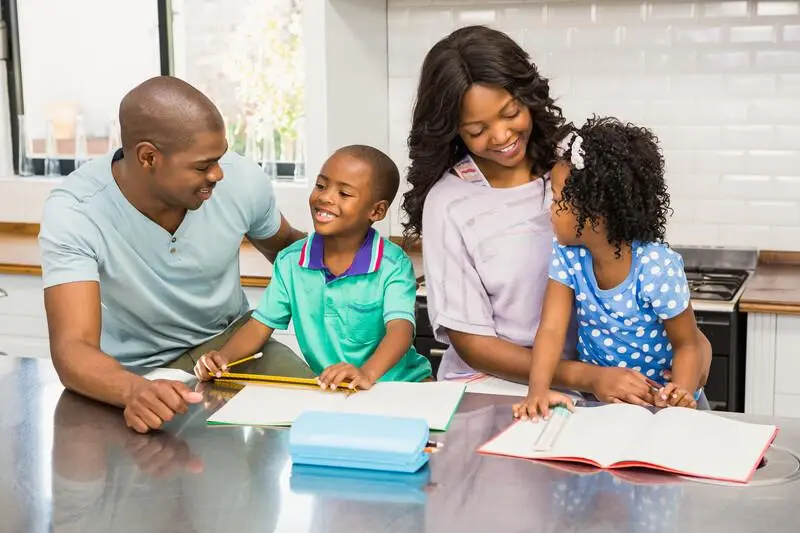
Making Schools More Accessible and Inclusive for All Families
Not all families experience schools in the same way. Some feel comfortable and confident engaging with educators, while others may feel uncertain or disconnected.
To build better relationships, schools must actively work to become more inclusive and accessible.
Accessibility includes practical considerations such as meeting times, communication methods, and availability of resources. Schools that offer flexible options — including online communication and varied schedules — allow more families to participate.
Inclusion goes deeper. It means recognizing and respecting cultural differences, languages, and family structures. Families should not feel that they must change their identity to engage with the school.
Schools that embrace diversity create stronger relationships because families feel seen and valued.
It is also important to recognize that some parents may have had negative experiences with education in the past. They may approach schools with caution or hesitation. Building trust with these families requires patience and consistent positive interactions.
Supporting Parents Without Overwhelming Them
Many parents want to be involved in their children’s education but feel unsure about how to do so. Some may worry that they do not have enough knowledge, while others may feel overwhelmed by expectations.
Schools can improve relationships by providing clear, realistic guidance on how parents can support learning.
Support should be practical and achievable. Encouraging routines, discussing school experiences, and creating a positive attitude toward learning are often more valuable than complex academic assistance.
It is important not to place unrealistic pressure on families. Engagement should feel supportive, not demanding.
When parents feel capable rather than judged, they are more likely to participate. Confidence is a key factor in engagement.
Schools that empower parents rather than instruct them create stronger, more sustainable relationships.
Encouraging Informal Connections, Not Just Formal Meetings
Formal meetings, such as parent-teacher conferences, are important, but they are not enough to build strong relationships.
Informal interactions often have a greater impact. Short conversations, friendly greetings, and casual exchanges can create a sense of connection that formal structures cannot achieve alone.
When parents feel comfortable approaching teachers, communication becomes more natural. Problems can be addressed earlier, and collaboration becomes easier.
Schools can encourage informal connections by creating welcoming spaces, organizing community events, and fostering a culture where interaction feels natural rather than structured.
These moments may seem small, but they build familiarity and trust over time.
The Role of School Leadership in Building Relationships
School leadership plays a crucial role in shaping how relationships with families develop. Administrators set the tone for communication, expectations, and overall school culture.
Leaders who prioritize family engagement create systems that support it. They encourage teachers to communicate openly, provide resources for engagement, and model respectful interactions with families.
A school culture that values relationships does not happen by accident. It requires intentional leadership and consistent effort.
Leaders also play a role in addressing challenges. When conflicts arise, how schools respond can either strengthen or weaken relationships. Transparent, fair, and respectful problem-solving builds trust even during difficult situations.
Long-Term Commitment: Relationships Are Built Over Time
One of the most important truths about school-family relationships is that they cannot be built quickly. Trust, understanding, and cooperation develop gradually.
Schools should not expect immediate results from new initiatives. Instead, they should focus on consistency and long-term effort.
Every interaction contributes to the relationship. Positive experiences accumulate, while negative ones can create setbacks.
Patience is essential. Some families may take time to engage, especially if they have faced challenges in the past. Consistent outreach and respectful communication can slowly build trust.
The goal is not perfection but progress. Strong relationships are built step by step.
The Impact on Students: Why This Effort Matters
At the center of every school-family relationship is the student. The purpose of building better connections is not simply to improve communication but to support children’s growth and development.
When students see their parents and teachers working together, they feel more secure. They understand that the important adults in their lives are united.
This sense of support can improve confidence, motivation, and emotional well-being. Students are more likely to engage in learning when they feel supported both at home and at school.
Strong relationships also help identify challenges earlier. When parents and teachers communicate effectively, they can respond quickly to academic or emotional difficulties.
Ultimately, better relationships create better outcomes.
Moving From Communication to Connection
Schools that want to build better relationships with parents and families must move beyond basic communication and focus on genuine connection.
This requires trust, respect, openness, and a willingness to see families as partners rather than participants. It involves creating inclusive environments, supporting parents realistically, and maintaining consistent, meaningful communication.
The process is not always simple. It requires effort, patience, and a shift in mindset. But the results are powerful.
When schools and families build strong relationships, education becomes a shared journey. Students benefit from a network of support that encourages them to grow, learn, and succeed.
In the end, the strength of a school is not measured only by its academic results, but by the quality of the relationships it builds — especially with the families it serves.